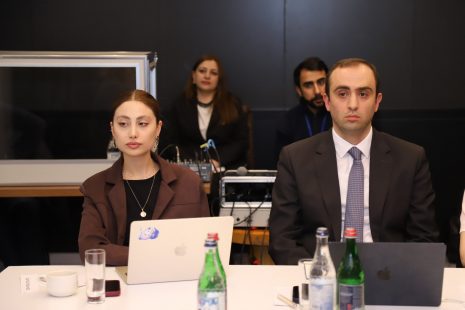
Strengthening Psychological Rehabilitation for Victims of Torture in Armenia
A recent policy-oriented study, conducted in cooperation with the Raoul Wallenberg Institute Armenia, examined access to psychological rehabilitation for victims of torture in Armenia and the practical implementation of this right. The research draws on international standards, comparative experience, and dialogue with national institutions.
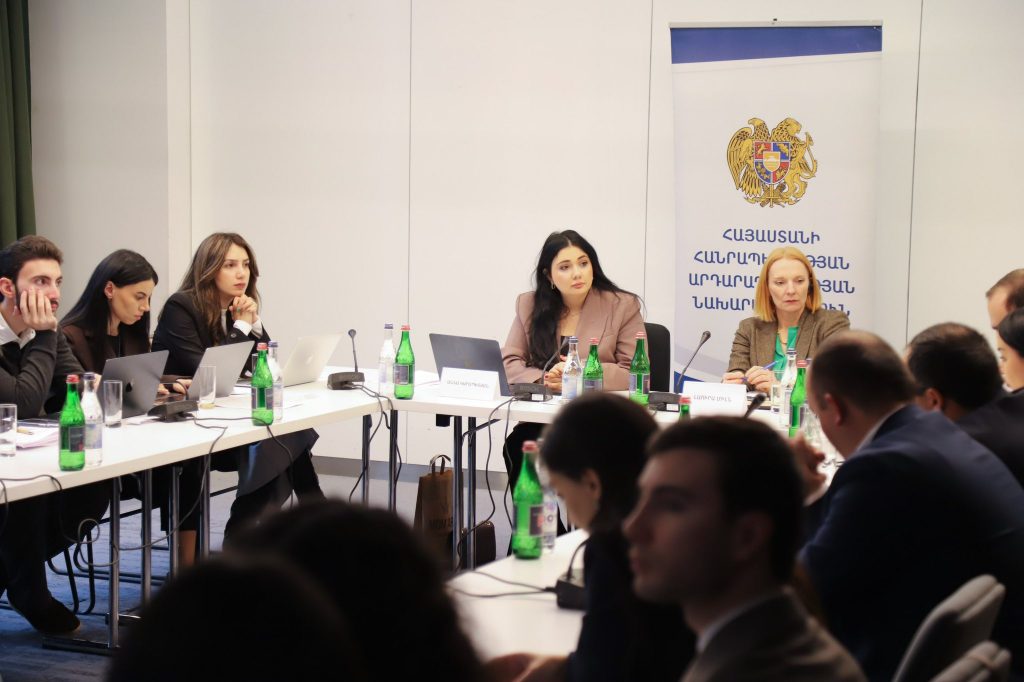
While Armenia has established important legal foundations recognizing rehabilitation as part of redress, the study identifies key gaps, including unclear referral mechanisms, limited sustainable public funding, and insufficient coordination between justice and social protection systems.
The report proposes practical reform options aimed at building a stable, state-funded, and victim-centred system of psychological assistance, contributing to dignity, trust in justice, and long-term recovery for survivors.


admin administrator
About the author